Registered Public Charitable Trust · 12A & 80G Approved · FCRA Registered

Our Work

Rural development programmes in Nashik district

Education, healthcare, women's empowerment and environmental conservation — four connected areas of work that help rural families in Chandwad and Niphad talukas live healthier, more secure lives.
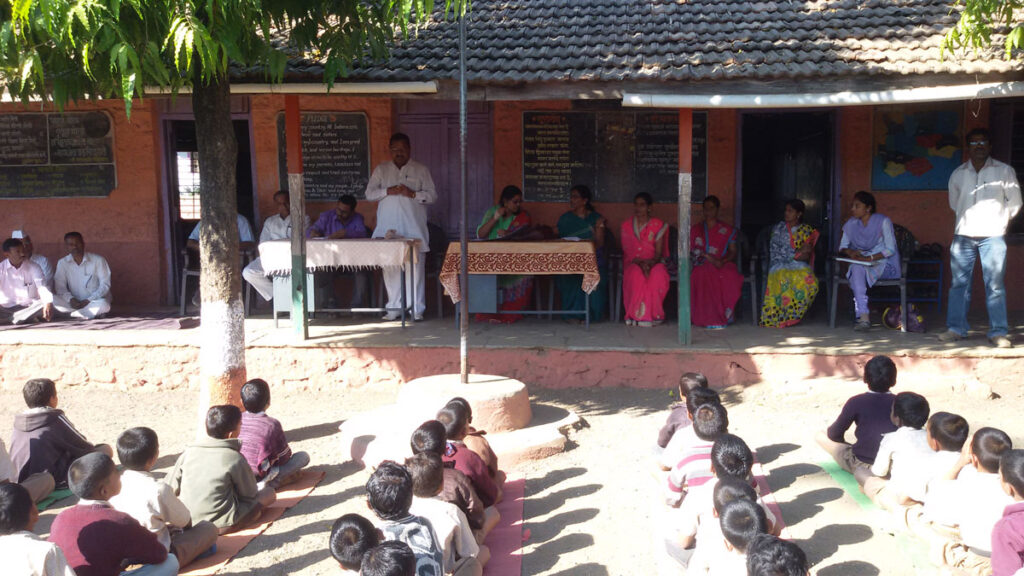
Students attending a school awareness programme organised by Jai Hanuman Sanstha

01 · Education & Skills

Rural education and vocational training

  • School development: working with rural schools, teachers and parents to improve classrooms, libraries and learning outcomes.
  • Adult literacy: helping adults — especially women — read, write and manage household finances.
  • Vocational skills: affordable, job-ready training so that young people can earn without leaving their village.
  • Higher education access: our proposed campus at Hirapur plans an English-medium K-12 school, degree college, ITI, nursing, pharmacy and agricultural colleges.

02 · Healthcare

Public health and medical relief

  • Village health camps: mobile camps that bring screening, diagnosis and medicines to remote hamlets.
  • Maternal and child health: awareness on nutrition, immunisation and safe delivery for mothers and infants.
  • Community Health Centre (proposed): outpatient care, a diagnostic laboratory and maternal-child clinics at Hirapur.
  • Hospital & medical college (proposed): a 200-bed super speciality hospital with free care for the poor.

Why it matters

Families in rural Chandwad often travel long distances to Nashik city for specialist treatment. Bringing preventive and primary care closer to home saves lives, wages and savings.

Women in leadership

Five of our eleven trustees are women, including our Secretary — a commitment to gender equity that starts with our own governance.

03 · Women's Empowerment

Livelihoods and dignity for rural women

  • Self-help groups (SHGs): forming and strengthening women's groups for savings and mutual support.
  • Skill centres: tailoring and food-processing training that turns household skills into income.
  • Micro-credit linkage: connecting SHGs to banks and government schemes for small-enterprise loans.
  • Leadership: encouraging women to take active roles in village decision-making.

04 · Environment & Water

Greener villages and secure water

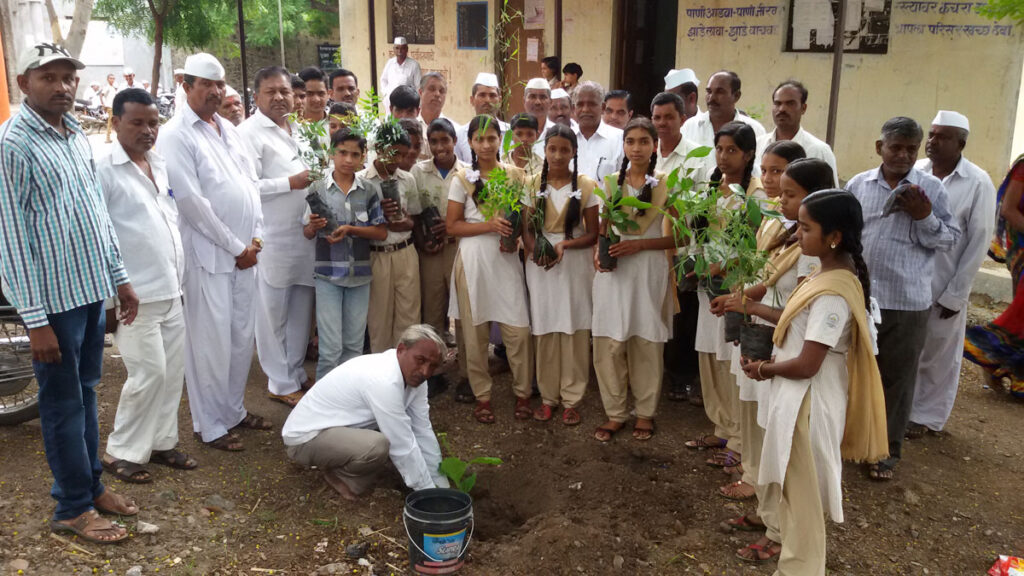
  • Tree plantation drives: students and villagers plant and care for native saplings along roads and school campuses.
  • Water conservation: rainwater harvesting and check-dams to recharge groundwater in this drought-prone region.
  • Swachhata (cleanliness) drives: village sanitation, waste management and hygiene awareness.
  • Climate awareness: helping farmers and families adapt to changing rainfall and temperatures.

Students and villagers holding saplings at a Jai Hanuman Sanstha tree plantation drive in Hirapur, Nashik

How We Work

Our approach

Every programme follows three principles that come straight from our mission statement.

01

Community participation

Villagers help identify needs, plan activities and monitor results, so the work belongs to them.

02

Self-reliance

We build skills, institutions and income that last long after a project's funding ends.

03

Transparency

Audited accounts, statutory registrations and utilisation reports for every partner.